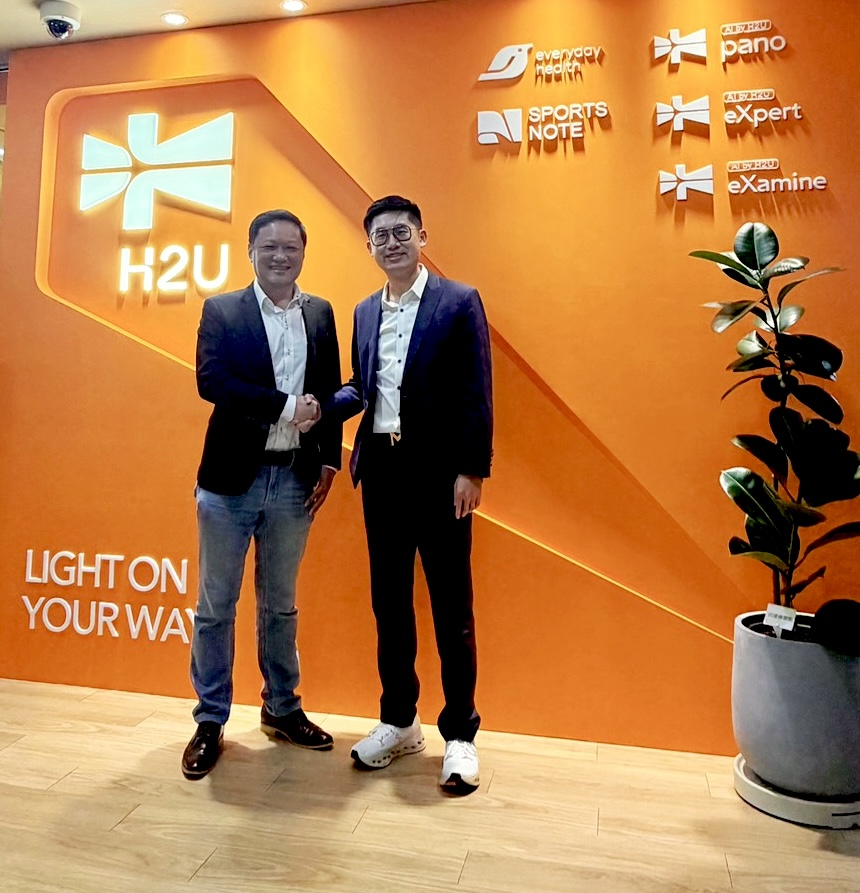
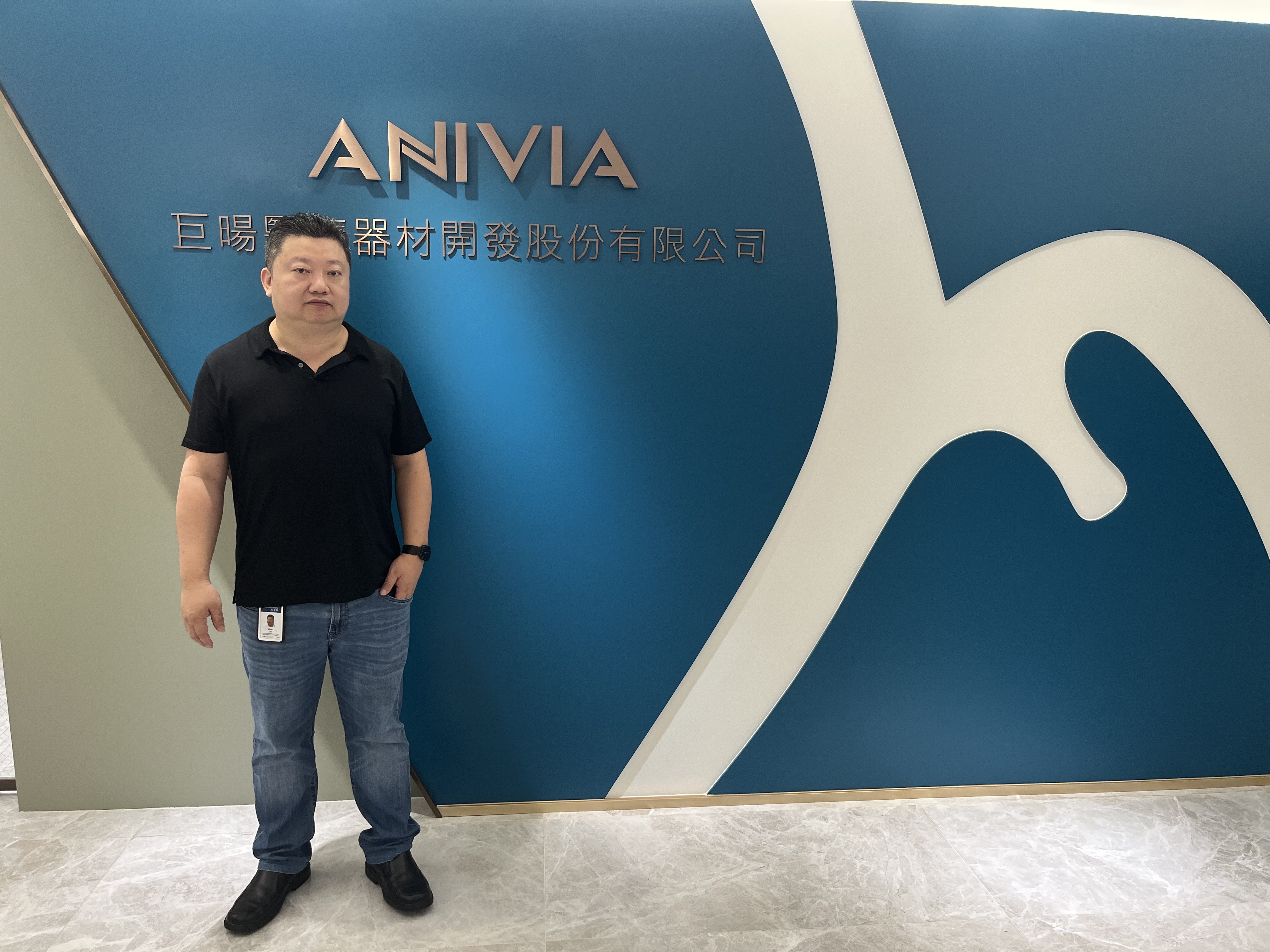
Henry Lin, Co-founder and CEO of ANIVIA Medical
Written by Frieda Yang, Marketing Manager, BE Health Ventures
BE Health Ventures led ANIVIA’s previous funding round, with co-investment from the National Development Fund. The round raised a total of US$6 million. This capital has supported ANIVIA’s transition from an R&D-driven company toward international market validation, while enabling the company to build a clearer growth path across post-FDA commercialization, organ transplantation applications, and next-generation hypothermia therapy.
ANIVIA also plans to launch its next fundraising round in the second half of this year. The focus of this round will be to accelerate the company’s evolution from a medical device company that has completed U.S. market validation into a critical care platform with global market expansion capabilities and next-generation therapeutic technology potential.
More than a decade after founding the company, ANIVIA Co-founder and CEO Henry Lin still remembers the original thinking behind the company’s earliest direction.
“At the time, we wanted to choose a difficult problem — a technology that could truly help patients and be applied in real clinical settings,” Henry recalled in the interview.
ANIVIA was founded in 2011. Henry came from a medical background, while John Gilbert came from a physics background. Together, they explored how extracorporeal circulation technology could be used to control the flow rate, volume, and temperature of different organs, with potential applications in critical care scenarios such as cardiovascular disease, stroke, and organ transplantation.
The team first truly felt the value of the technology when its prototype entered its first clinical case. In that case, ANIVIA’s technology successfully helped save a patient’s life. Although it was only one case, it allowed the team to see for the first time that the company was not simply building a device, but developing a medical technology with the potential to change patient outcomes.
More Than ECMO: ANIVIA Addresses Structural Limitations in Critical Care Workflows
From a clinical application perspective, traditional ECMO systems have long faced a key limitation: devices and consumables are often tied to the same closed system. Different patient scenarios may require different equipment, and long-term support, short-term support, and transport needs may each involve different consumables and training workflows.
Large medical centers may be able to afford multiple systems, but the cost of training and management remains high. Smaller healthcare institutions, however, may be unable to establish a complete ECMO program due to the high threshold of equipment investment and staff capability.
Through an open-system design, ANIVIA’s equipment can be used with consumables from different brands. For large medical institutions, this can help reduce equipment spending and staff training burdens. For smaller institutions, it may lower the barrier to establishing short-term cardiopulmonary support capabilities.
Simply put, ANIVIA’s value is not in creating another ECMO device with similar functions. Instead, it is making critical care capabilities that were previously constrained by equipment, consumables, and training more flexible and scalable.
The Real Test After FDA Clearance: Whether the Market Is Willing to Adopt Continuously
For medical device companies, FDA clearance is often only the ticket to enter the market. For ANIVIA, however, the truly important turning point came after FDA clearance.
The acceleration in the U.S. market was driven by a supply gap in short-term extracorporeal circulatory support devices. As several major ECMO companies adjusted their product and indication strategies, a market vacuum emerged in short-term support devices. After obtaining FDA clearance, ANIVIA was well-positioned to address this demand.
Starting in 2025, adoption in the U.S. market accelerated significantly. The company’s first-quarter revenue had already exceeded its full-year revenue from the previous year, and second-quarter revenue surpassed the first quarter again. This indicates that the product has begun moving from being “tested” to being “continuously adopted.”
Some hospitals initially introduced only two to three units, but later expanded to the level of 10 to 20 units. This suggests that ANIVIA is no longer merely a one-time equipment purchase, but is beginning to enter hospitals’ routine critical care workflows.
Organ Transplantation as a New Growth Curve: ANIVIA Moves Upstream in the Transplantation Process
Understanding ANIVIA only through the ECMO market would underestimate its next stage of growth potential in the U.S. market.
The key behind this shift is the changing organ transplantation process. In the past, organ sources mainly came from brain-dead donors. However, over the past two to three years, donations after cardiac death have increased, driving growth in the number of transplantable organs. As organ supply increases, demand for circulatory support and organ maintenance in the early stages of the transplantation process is also rising.
For ANIVIA, this change is directly reflected in its U.S. application structure. Currently, more than 50% of ANIVIA’s applications in the U.S. are related to organ transplantation. This means the company is not merely competing in the existing ECMO market, but entering a clinical application curve with stronger growth potential.
More importantly, ANIVIA is entering the upstream side of the transplantation process. While downstream companies mainly focus on organ transport and preservation, ANIVIA’s value lies in the earlier stage of circulatory support, helping organs maintain more stable physiological conditions before they enter transport and transplantation workflows.

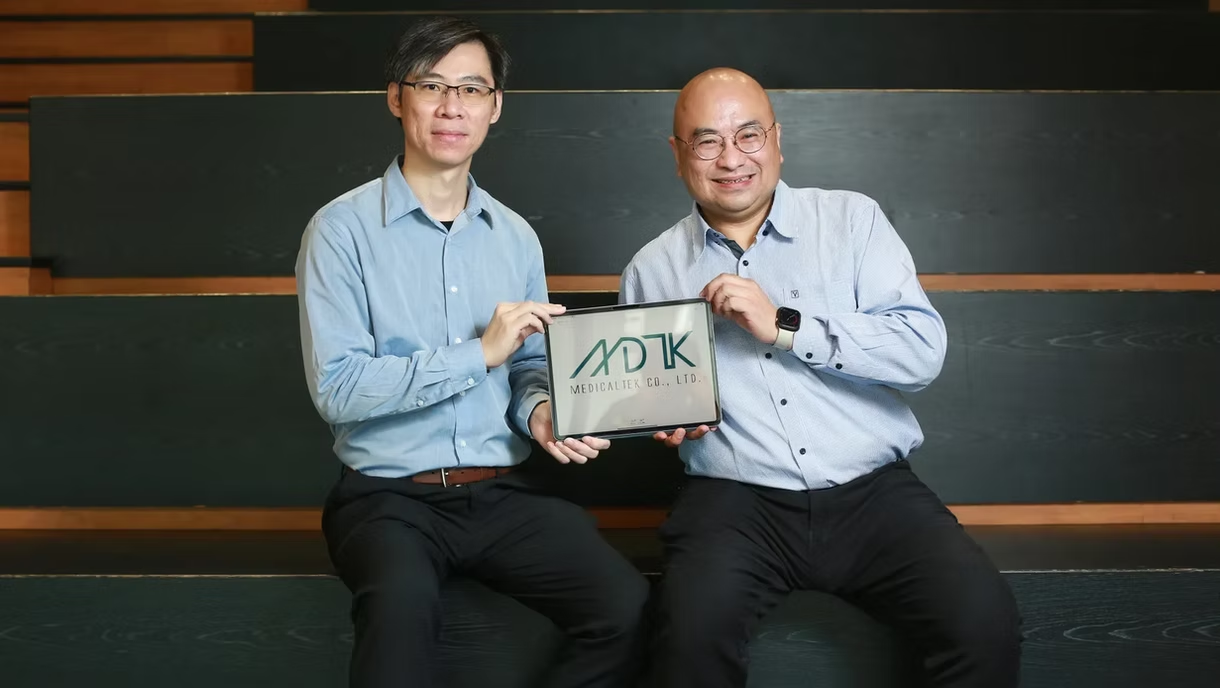
Right: Yen-Yu Chen, Manager Partner at BE Health Ventures
Two Growth Curves: Using Short-Term Commercialization to Support Long-Term Clinical Value
ANIVIA is now managing two value curves with different levels of maturity.
The first is its short-term cardiopulmonary support product, which has already entered the market and can generate revenue in the near term. The second is its hypothermia therapy product line, which the company has been developing for many years. While it carries higher clinical risk, it also has the potential to address a much larger future market.
The hypothermia therapy product has been under development for seven to eight years. If successful, it could correspond to a multi-billion-dollar market, but it also requires longer-term clinical investment and capital support.
For a therapeutic medical device company, this dual-track strategy is significant. Commercialized products can support company operations, generate revenue, drive customer adoption, and build market trust. Long-term clinical products, meanwhile, carry greater therapeutic value and future growth potential.
From Market Validation to Clinical Restart: ANIVIA’s Three Key Milestones at This Stage
First, U.S. market sales have begun to scale. ANIVIA’s first-quarter revenue this year exceeded its full-year revenue from last year, and second-quarter revenue surpassed the first quarter again, showing rapid growth. This indicates that the company has not only entered the market after FDA clearance, but is also building adoption and sales momentum in real-world healthcare settings.
Second, the company’s revenue structure is shifting from equipment sales toward recurring revenue. ANIVIA has also begun introducing a consumables-based model. For medical device companies, equipment sales can establish an installed base, but consumables and ongoing usage create the potential for more stable and predictable revenue. If this revenue structure gradually takes shape, it will help improve the quality of the company’s revenue and make future growth less dependent on one-time equipment sales.
Third, the next-generation hypothermia therapy clinical program is being restarted. In the past, due to limited resources and the impact of the pandemic, ANIVIA temporarily concentrated its resources on commercialized products. Now, as the U.S. market begins to scale, the company is also restarting its hypothermia therapy clinical program and has signed agreements with principal investigators at institutions including UCLA and Mayo Clinic to prepare for the next stage of clinical research.
These three milestones correspond to three layers of ANIVIA’s growth value: near-term revenue growth in the U.S. market, medium-term recurring revenue from consumables, and long-term therapeutic platform potential enabled by hypothermia therapy.
From an R&D Company to a Global Medical Device Company Capable of Manufacturing and Delivery
However, rapid market growth also brings new challenges.
ANIVIA was previously an R&D-driven company. But as the market begins to scale, the engineering team is being pushed to transition toward production and manufacturing. R&D pursues product perfection, while manufacturing requires stability, consistency, deliverability, and operational capabilities that can withstand pressure from quality systems and supply chains.
This is also why the company is actively seeking manufacturing partners. For Taiwan, this may instead become an advantage. Taiwan has global competitiveness in semiconductors, industrial computers, and electromechanical integration. ANIVIA’s equipment itself also includes panels, electromechanical systems, and data collection functions. Without the medical device label, it could in some ways be seen as a highly integrated computing device.
In the future, if ANIVIA can work with Taiwanese IPC, industrial computer, or medical manufacturing partners, it could not only solve production capacity challenges, but also create a key connection between Taiwan’s manufacturing capabilities and U.S. clinical market demand.
This would make ANIVIA’s story more representative from an industry perspective. It is not only about a Taiwanese medical device company going global, but also about connecting Taiwan’s R&D and manufacturing capabilities with real clinical demand in the U.S. market.
Conclusion: Do Not Be Afraid to Tackle Difficult Problems, But Know Whether the Market Can Support Them
When asked for advice for healthcare startups, the founder gave a direct answer: do not be afraid to tackle difficult problems.
If founders choose topics that everyone else is already working on, or problems with lower barriers to entry, they may achieve results more easily in the short term. But in the long run, it will be difficult to go far. By contrast, truly difficult technologies that require time to accumulate capabilities are harder to replace once they achieve a breakthrough.
But tackling difficult problems does not mean investing blindly.
Founders cannot rely only on what physicians say the clinical need is. They must also assess whether the broader healthcare environment can support the product’s entry into the market. Physicians can identify clinical pain points, but they may not be able to fully answer questions related to payment, procurement, workflow, regulation, capital, and commercialization. Founders must learn how to filter information, instead of rushing into a market simply because a need exists.
Over the next five years, ANIVIA will continue pursuing its original founding mission: advancing hypothermia therapy into clinical practice and using pivotal trials to demonstrate that hypothermia therapy can help patients achieve better neurological recovery in scenarios such as stroke and cardiac ischemia.
ANIVIA is proving that Taiwan can do more than produce cost-effective medical devices through contract manufacturing. It also has the opportunity to build therapeutic medical technology platforms that can enter global clinical workflows and sustain commercialization. As organ transplantation, critical care, and extracorporeal circulation technologies begin to converge, ANIVIA may not only be entering the ECMO market, but becoming a core node in the next-generation infrastructure for organ support.