Building upon the previous discussion on Taiwan’s competitive advantages in the CDMO industry, this article delves deeper into how biotech venture capital (VC) firms can collaborate with Contract Development and Manufacturing Organizations (CDMOs) to enhance portfolio management, mitigate risks, and create greater long-term value.
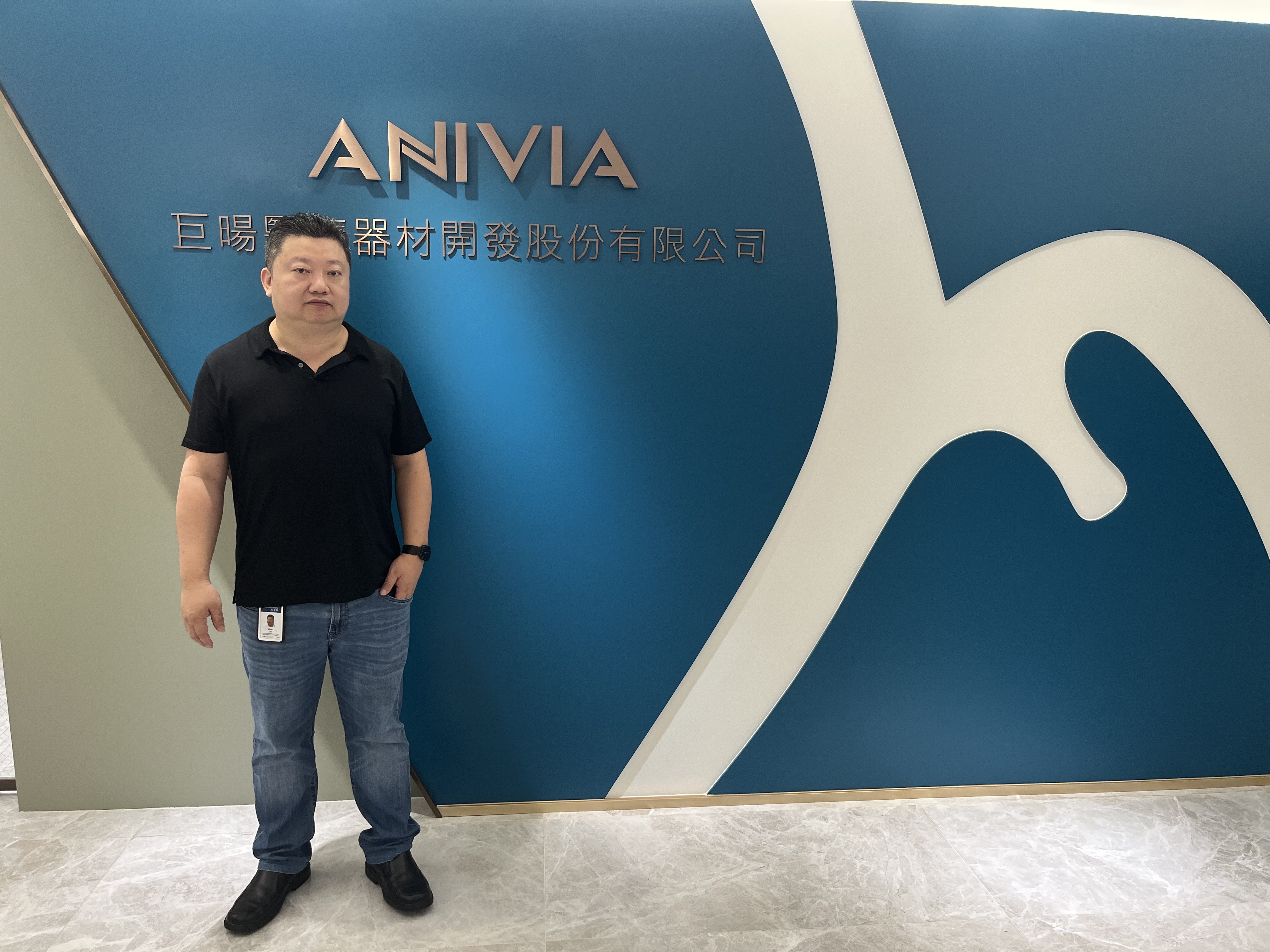
Joseph Shen, Vice President of Medical Affairs, BE Accelerator

VC–CDMO Collaboration: Enhancing Portfolio Performance
Biotech VCs can leverage their partnership with CDMOs to strengthen portfolio management and accelerate commercialization.
Through such collaboration, CDMOs provide critical support in process optimization, quality assurance, technology transfer, product development, and manufacturing.
This enables venture-backed startups to bring products to market faster while maintaining high regulatory and quality standards.
By working closely with CDMOs, biotech VCs can manage capital allocation and technical risk more effectively, creating added value for their entire investment portfolio.
For instance, a VC firm can allocate funding and resources to medical device CDMOs to expand R&D capabilities, establish new technologies or facilities, and increase market share.
In turn, VCs contribute industry insight and strategic guidance, helping CDMOs refine their target markets and optimize development workflows.
This two-way investment model benefits both sides—empowering CDMOs to differentiate in the market while helping VCs build a robust biomedical innovation ecosystem that attracts new startups and investors.
Increasing Competitiveness and Market Impact
VCs can connect their portfolio companies with CDMOs to accelerate development through product design, prototype fabrication, and commercial-scale manufacturing.
By utilizing CDMO expertise, startups can shorten time-to-market and gain a competitive edge.
CDMOs, on the other hand, ensure compliance with regulatory standards and quality management systems, strengthening the credibility of startup products.
In this process, CDMOs also expand their own client base and business network—resulting in mutual market growth and influence for both parties.
Building Strategic Alliances
Biotech VCs and CDMOs can jointly establish strategic partnerships with industry players, research institutions, and healthcare organizations.
Such collaboration helps startups within the VC portfolio enter new markets, access customers and distribution channels, and leverage shared resources.
For VCs, partnering with CDMOs provides insight into emerging technologies and regulatory pathways, facilitating more informed investment decisions.
For CDMOs, this partnership offers business expansion opportunities, new projects, and increased industry visibility.
Ultimately, these alliances create a win–win ecosystem, strengthening both venture capital performance and manufacturing capacity within the biotech sector.
De-risking Investments Through Technical Assessment
VCs can also engage CDMOs to evaluate the technical feasibility of potential investments before committing capital.
By analyzing a product’s manufacturability, regulatory compliance, and market potential, VCs gain a clearer picture of the required cost, timeline, and commercialization risk—supporting more precise decision-making.
Conclusion
Through strategic collaboration with CDMOs, biotech VCs can accelerate the growth and success of their portfolio companies, reduce development barriers, and optimize the path to commercialization.
Such partnerships exemplify the future of integrated innovation, where capital and technology unite to drive sustainable value in the global biotech ecosystem.
For further information, please contact:
📩 Joseph.Shen@be.tworg.app